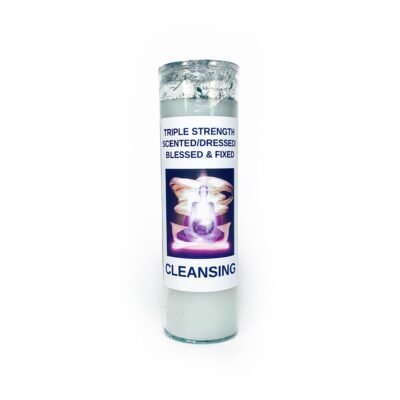



Emotional blockages may appear invisible, even though their presence may be deeply felt through such things as anxiety, a feeling of emotional weight, irritability, a lack of motivation, and tension in the body. Although such things can be alleviated through the use of such things as therapy, journaling, and mindfulness, breathwork may be the most effective way of letting trapped emotions go.
However, when combined with a peaceful, intentional ritual space, which is sometimes facilitated with spiritual essentials from LuckShop.com, it becomes a practice that is both easy to access and highly effective.
In this guide, we’ll cover the role of breathwork in clearing emotional blockages and the methods and environments which can be used to achieve this.
What Are Emotional Blockages?
Emotional blocks refer to unresolved emotions that are lodged in the body or subconscious mind. Sometimes, these emotions get stored inside people due to being suppressed or ignored.
They may come from:
If emotions are not handled or channeled, they are deemed as not being released, resulting in them being stored inside the body. This has various effects on sharpness of mind, emotional regulation, relationships, along with other factors.
How Breathwork Helps Release Emotional Blockages
When stressed, the breathing becomes shallow, while at relaxation the breathing is slowed.
Intentional breathing helps by:
Unlike forced emotional release, breathwork allows emotions to surface naturally, safely and gently.
Types of Breathwork for Emotional Release
1. Deep Belly Breathing (Diaphragmatic Breath)
This is the easiest and most safe breathwork to start with. This technique has been proven to bring awareness back into the body.
How to do it:
Benefits:
2. Box Breathing
Box Breathing is a modality used to suppress the stress response and gain emotional stability amidst stress or mental overload.
Steps:
Why it helps:
3. Cyclical or Circular Breathing
This breathing technique includes continuous breathing with no pauses and can help with the removal of emotions stored inside the body.
How it works:
Use a steady and flowing rhythm. As you proceed, feelings of sadness, frustration, or grief may emerge. Let them come and go without judgment.
Benefits:
4. The Cleansing Sigh
The cleansing sigh is a fast, potent way to release heavy or stagnant emotional energy.
How to do it:
Benefits:
5. Alternate Nostril Breathing
This balancing breathwork technique helps regulate emotions and clear mental tension.
How to do it:
Benefits:
What You Might Feel During Breathwork
Everyone’s experience is different. These may include:
These are all indicators that emotional energy is moving through the body. Some light aftercare, can be nice after intense sessions. Some people choose to support integration with calming practices or light use of healing blends, such as Miracle Healing Oil to encourage emotional settling and nervous system recovery.
Step-by-Step Cleansing Breathwork Ritual
This simple ritual can be done anytime you feel emotionally heavy or energetically blocked.
Step 1: Set Your Intention
Choose what you are letting go, fear, grief, anger, perplexity or soul fatigue. Try to make the intention as sincere and direct as possible.
Step 2: Prepare Your Space
Create a calm, supportive environment. You may choose to:
Light cleansing incense
Use Florida Water to refresh the space
Spray a spiritual cleansing uncrossing mist
Light a Spiritual cleansing scented candle for concentration
Such aspects are helpful in indicating safety as well as intentions to the body as well as the mind.
Step 3: Ground Yourself
Find a comfortable position with your feet on the floor or sitting cross-legged on a cushion. Your hands should remain in your lap with your eyes closed.
Step 4: The sequence of breathing (5-10 Minutes)
Start by performing deep stomach breathing
Add a cleansing sigh breath every few breaths
Maintain a slow & steady pace
Step 5: Release Phase
Allow feelings to come up if they do. Tears may arise, sensations, or memories. Watch without judgment and return to the breath.
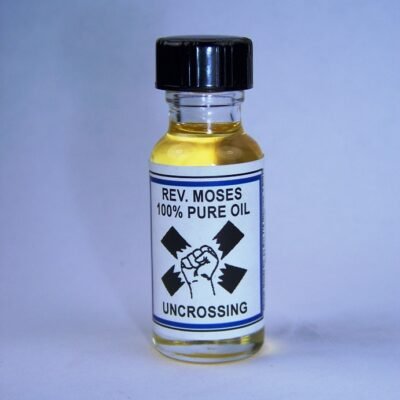
For those working through heavier emotional layers, grounding elements such as The Uncrossing Oils are occasionally employed after release practices to help with clearing.
Step 6. Closing the Ritual
Place one hand on your heart. Express gratitude. End with a quiet affirmation or prayer to center your energy.
To help seal the practice and encourage emotional calm, some people lightly incorporate soothing blends such as Rev. Moses Pure Essential Oil during this final grounding phase.
Affirmations to Use During Breathwork
Repeat silently or aloud:
How Often Should You Practice Breathwork?
Consistency is preferable over intensity.
Listen to your body. Because there is no rushing in the healing process.
Let Your Breath Do the Work
Breathwork isn’t about expelling emotions; but about making space for them to leave naturally. Accomplished through patience and self-compassion, it is then likely to become a powerful means to emotional clarity, inner balance, and long-lasting healing.
Your breath has accompanied you through all the experiences of your life. When combined with intentional rituals and supportive spiritual tools from LuckShop.com, breathwork becomes more than a technique, it becomes a gentle, ongoing practice for emotional well-being and inner alignment.